Three years ago on Valentine’s Day I woke up before dawn to witness deportation flights at the airport in Brownsville, Texas. They always scheduled these flights for the wee hours of the night, because they didn’t want others to see what they were doing. It was a cold morning for Texas, and the thirty of us who were there that morning shivered in our inadequate fleeces as we watched a plane at the ready behind a fence. 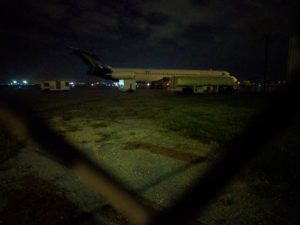 As the night broke into the beginnings of a cloud-covered day, we watched a bus pull up. A man held up his shackled wrists to the window. We stood in front of the bus, holding up hearts, and for a moment, we held up “business as usual” as the bus came to standstill. We surrounded the bus, shouting “I love you,” to the shadowy faces in the windows. And “No están solos. Estamos con ustedes.” (You are not alone. We are with you.)
 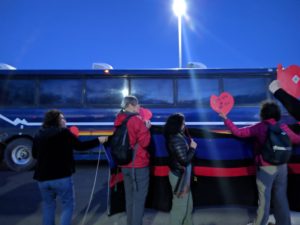 Then, the police came and since we had not planned for a civil disobedience action that would end in arrest, we let the bus pass through the gate to the plane. They parked a truck in front of the stairway, so we couldn’t see the people limping with their shackles up the stairs into the plane’s belly, but that image, along with other accounts of abuse, has been captured in this article in the Intercept.
Quietly, we stood until the plane took off. Needless to say, Valentine’s Day will never be the same again. 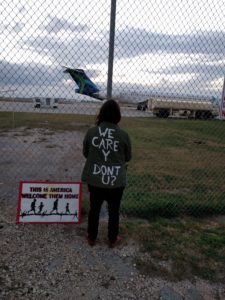
With all the problems in our broken world, I don’t know what has compelled me to focus my social action energy and a big chunk of my writing on immigrant justice (including two poems about this experience on the border, published in Wordpeace, and my forthcoming short-story collection, which focuses not only on detention and deportation, but also on the myriad of ways immigrants are woven into the fabric of our daily life.) I do know that when Trump was in power, I felt his rhetoric like a dagger piercing my heart–and not in a Cupid-like way. Though I’m a fourth generation American, and nearly all of my family was here in the U.S. during the Holocaust, I still feel a visceral connection between those who are currently fleeing for their lives and those Jews in Eastern Europe who were turned away for the same xenophobic reasons that people give now for limiting the number of people who can come to this country and denying them their due process rights to seek asylum. The stories we heard from people on the border about why they left still keep me up night. And while I’m not at the border, this Valentine’s Day, I’m grateful for groups like Team Brownsville and Solidarity Engineering and so many others who are working tirelessly to provide food, shelter, sanitation, and basic humanitarian relief to people as they wait for a new chance at life. No estan solos.
Happy Valentine’s Day.
To subscribe to this blog, sign up at ddinafriedman.substack.com
 Two days into my South Africa trip, I started getting cold symptoms. I tested for COVID and was relieved to be negative, so I went on a safari and for a walk with rifle-carrying naturalists in the wild bush, chalking up the fatigue I was feeling to two consecutive red eye flights followed by the eight hour bus ride to Kruger National Park.
  A few days later, when we arrived in Cape Town, my husband was also coughing and sneezing. Our symptoms felt like a typical cold, but just to make sure, we both tested again. BINGO! For both of us, a flaming red line.
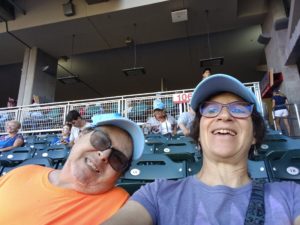
 I’ll just have to be patient, put on my mask and be happy enough to sit on an uncrowded beach and watch the sunset.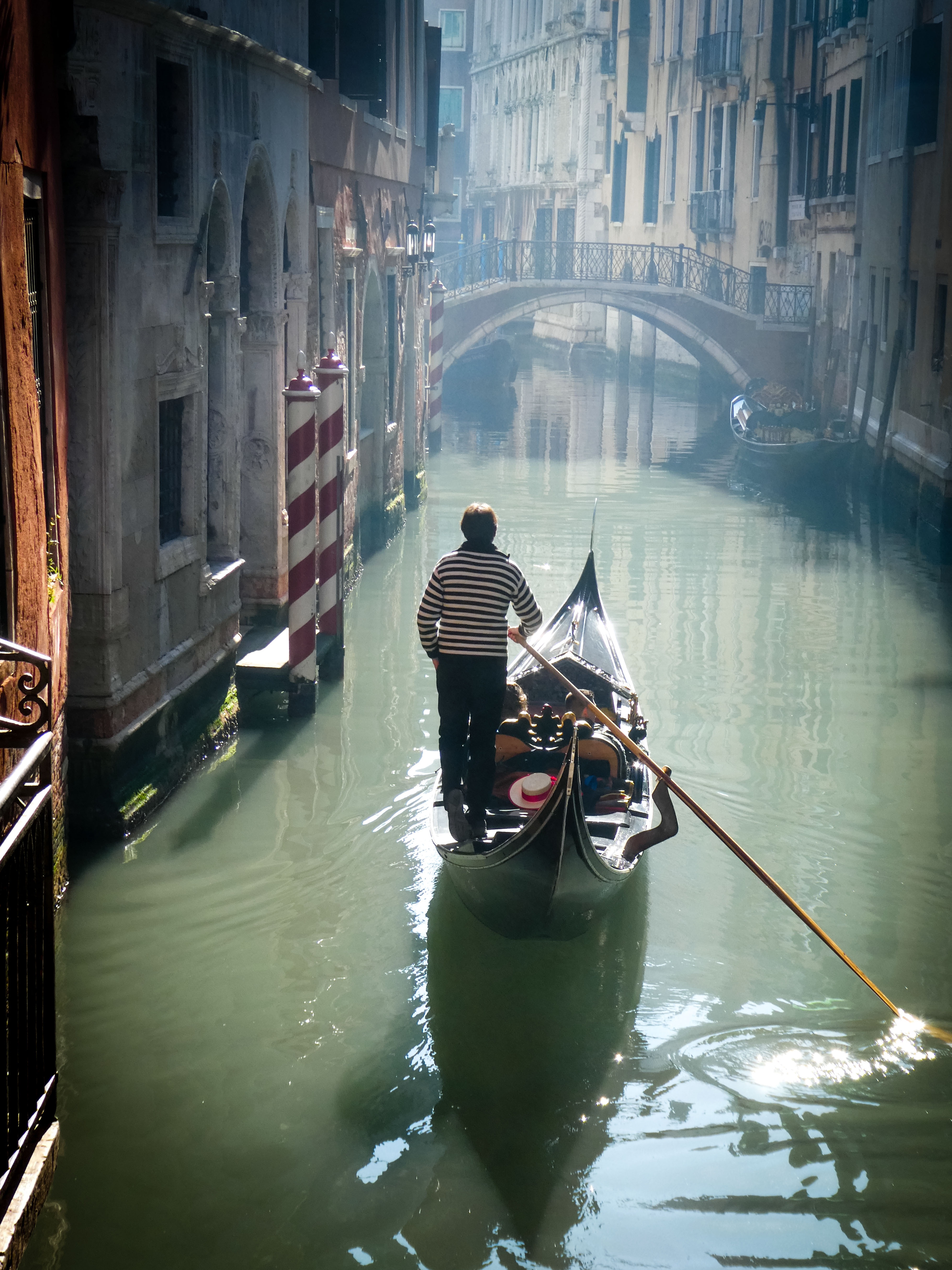

 “An artist needs to be something like a whale swimming with his mouth wide open, absorbing everything until he has what he really needs.”–Romare Beardon
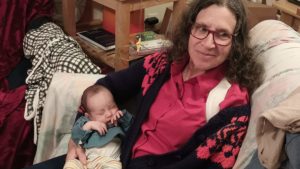 Both have inspired a lot of writing, and watching the awe and wonder with which Manu approaches the world fills me with a poignancy hard to describe without resorting to clichés about both the preciousness and fragility of life, and how one of the most healing things we can do for grief (at least for me) is to continue to practice gratitude and look forward, even as we continue to struggle to make sense of the cracks in our past.
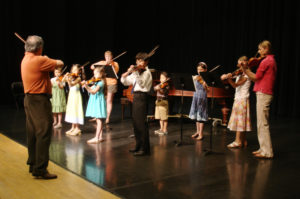 No one expects the audience to have a great musical experience hearing them; yet, this teaches these children early on that they have a voice and what they are saying through their music matters enough for people to listen to them despite their flaws and inexperience. This is an important lesson not only for the children, but for everyone in our goal-oriented society. Our all-or-nothing approach when it comes to fame and accomplishment minimizes the personal sharing of one’s art on whatever “level” it’s at, and amplifies only those who reach the highest bars of success, causing many to quit and abandon their own artistic voices when they realize they’re never going to reach that level.